

 cagataydemircan
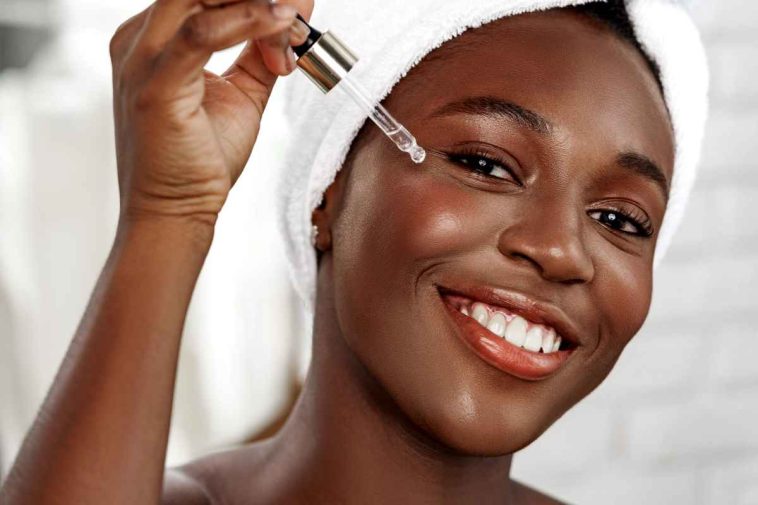
Healthy, radiant skin starts with hydration, and few skincare ingredients have transformed modern beauty routines quite like hyaluronic acid. From luxury European skincare formulas to dermatologist-recommended American anti-aging serums, this powerful moisture-binding ingredient has become a cornerstone of effective skin health.
Hyaluronic acid is celebrated for its ability to attract and retain water, helping the skin appear plumper, smoother, and more youthful. Whether you struggle with dryness, sensitivity, dehydration lines, or early signs of aging, understanding how hyaluronic acid works can help you build a smarter skincare routine that truly supports your skin barrier.
At Estetik.tv, we believe beauty is not only about appearance but about confidence and well-being — because when you care for your skin, you also “Beautify Life.”
What Is Hyaluronic Acid?
Hyaluronic acid (HA) is a naturally occurring molecule found in the skin, connective tissues, and eyes. Its primary role is to retain moisture and keep tissues lubricated. In skincare, hyaluronic acid is widely used because it can hold up to 1,000 times its weight in water.
As we age, natural hyaluronic acid levels decline due to environmental stress, UV exposure, pollution, and reduced collagen production. This loss contributes to dryness, fine lines, and decreased skin elasticity.
Modern skincare formulations replenish moisture levels by using laboratory-produced hyaluronic acid in creams, serums, masks, and injectable treatments.
[Related Article Link: The Science Behind Skin Barrier Repair]
Why Hyaluronic Acid Matters for Skin Hydration
Hydration is essential for maintaining skin resilience, elasticity, and radiance. Unlike heavy occlusive ingredients that simply sit on the skin’s surface, hyaluronic acid actively draws water into the skin.
Key Benefits of Hyaluronic Acid
Intense Moisture Retention
HA functions as a humectant, meaning it attracts water molecules from the environment and deeper skin layers to hydrate the surface.
This makes it especially effective for:
- Dry skin care
- Dehydrated skin
- Sensitive skin
- Seasonal moisture loss
- Post-procedure recovery
Reduced Appearance of Fine Lines
When skin is properly hydrated, it appears smoother and fuller. Dermatology experts frequently recommend anti-aging serums containing hyaluronic acid to minimize dehydration lines and improve skin texture.
Supports the Skin Barrier
A compromised skin barrier can lead to redness, irritation, and increased sensitivity. Hydrated skin functions more effectively as a protective barrier against environmental aggressors.
Compatible With Most Skin Types
One of hyaluronic acid’s greatest strengths is its versatility. It is generally suitable for:
- Oily skin
- Combination skin
- Mature skin
- Acne-prone skin
- Sensitive skin
Unlike some active ingredients, HA rarely causes irritation when properly formulated.
[Visual Description: Close-up image of hydrated glowing skin with serum texture droplets]
Understanding Different Molecular Weights of Hyaluronic Acid
Not all hyaluronic acid products work the same way. One of the most important differences lies in molecular weight, which determines how deeply the ingredient penetrates the skin.
High Molecular Weight Hyaluronic Acid
High molecular weight HA molecules are larger and remain near the skin’s surface.
Benefits
- Immediate hydration
- Smooth, soft skin feel
- Temporary plumping effect
- Strengthens surface moisture barrier
Best For
- Sensitive skin
- Dry climates
- Daily hydration support
These formulas are commonly found in European skincare products focused on barrier health and skin comfort.
Low Molecular Weight Hyaluronic Acid
Low molecular weight HA contains smaller molecules that can penetrate deeper into the epidermis.
Benefits
- Longer-lasting hydration
- Improved elasticity
- Enhanced skin smoothness
- Better support for aging skin concerns
Best For
- Anti-aging routines
- Mature skin
- Fine lines and texture concerns
Some dermatologists note that extremely low molecular weight formulas may occasionally irritate highly reactive skin, making balanced formulations especially important.
Multi-Molecular Hyaluronic Acid
Many premium skincare brands now combine several molecular weights into one formula.
This strategy allows the skin to benefit from:
- Surface hydration
- Deep moisture support
- Improved texture
- Long-lasting comfort
Multi-weight formulations are particularly popular in modern American and European skincare trends because they deliver more comprehensive hydration results.
[Related Article Link: How to Build a Layered Skincare Routine]
Hyaluronic Acid and Anti-Aging Skincare
Hyaluronic acid is frequently associated with anti-aging skincare because hydrated skin naturally appears healthier and younger.
However, HA does not replace collagen or elastin directly. Instead, it creates optimal hydration conditions that help the skin look firmer and more radiant.
Why Dermatologists Recommend HA in Anti-Aging Routines
Experts often recommend combining hyaluronic acid with:
- Retinol
- Peptides
- Niacinamide
- Ceramides
- Vitamin C
This combination approach supports:
- Skin renewal
- Moisture retention
- Barrier repair
- Brightness
- Elasticity
A well-formulated anti-aging serum containing hyaluronic acid can also reduce the dryness sometimes associated with retinoids and exfoliating acids.
Common Myths About Hyaluronic Acid
Myth 1: Hyaluronic Acid Exfoliates the Skin
Despite the word “acid,” hyaluronic acid is not an exfoliating acid like glycolic acid or salicylic acid. It hydrates rather than removes skin cells.
Myth 2: More HA Means Better Results
Excessively concentrated formulas are not always superior. Product formulation quality, supporting ingredients, and proper application matter more than extremely high percentages.
Myth 3: HA Works Best Alone
Hyaluronic acid performs best when paired with barrier-supporting ingredients and moisturizers that help seal hydration into the skin.
How to Use Hyaluronic Acid Correctly
Proper application significantly improves results.
Apply on Damp Skin
One of the most important skincare techniques is applying HA to slightly damp skin rather than completely dry skin. This helps the ingredient bind available moisture more effectively.
Seal With a Moisturizer
Because HA attracts water, it should ideally be followed by a cream or moisturizer to lock hydration into the skin barrier.
Use Morning and Night
Most skin types tolerate hyaluronic acid well enough for twice-daily use.
Layer Carefully
A typical routine may look like:
- Gentle cleanser
- Hydrating toner
- Hyaluronic acid serum
- Moisturizer
- SPF during daytime
[Visual Description: Minimalist skincare routine layout with serum and moisturizer application sequence]
European vs. American Skincare Trends
European Skincare Philosophy
European skincare often emphasizes:
- Skin barrier preservation
- Minimal irritation
- Thermal water hydration
- Lightweight hydration layers
Many European skincare products feature multi-molecular hyaluronic acid paired with soothing ingredients.
American Skincare Trends
American skincare brands increasingly focus on:
- Clinical-strength hydration
- Multi-active ingredient serums
- Preventive anti-aging
- High-performance formulations
Consumers in both markets are moving toward science-backed skincare with transparent ingredient education.
Who Should Avoid Hyaluronic Acid?
Hyaluronic acid is generally considered safe for most users. However, individuals with severely compromised skin barriers or highly reactive skin should introduce new products gradually.
If irritation occurs:
- Reduce frequency
- Simplify your routine
- Avoid combining too many active ingredients simultaneously
Consulting a dermatologist is recommended for persistent irritation or chronic skin conditions.
Tips/Suggestions
- Apply hyaluronic acid on damp skin for maximum hydration benefits.
- Pair HA with ceramides or moisturizers to prevent moisture evaporation.
- Use SPF daily, since hydrated skin still requires UV protection.
- Choose multi-molecular formulas for balanced surface and deep hydration.
- In dry climates, use a humidifier to help HA perform more effectively.
- Avoid over-layering strong exfoliants with HA if your skin is sensitive.
- Store serums away from direct sunlight to maintain ingredient stability.
Conclusion
Hyaluronic acid has earned its place as one of the most trusted ingredients in modern skincare because it addresses one of the skin’s most essential needs: hydration. From supporting the skin barrier to improving texture and minimizing visible dryness, HA offers versatile benefits for nearly every skin type.
Understanding molecular weights, proper application methods, and ingredient combinations can help you achieve healthier, more resilient skin while avoiding common skincare mistakes.
At Estetik.tv, we believe skincare should empower confidence, wellness, and self-care — because true beauty begins when you “Beautify Life.” If you found this guide helpful, share it with friends or join the conversation by telling us your favorite hyaluronic acid skincare routine.
Medical Disclaimer
The information provided in this article is intended for educational and informational purposes only and should not be considered medical advice, diagnosis, or treatment. Skincare products and ingredients, including hyaluronic acid, may affect individuals differently depending on skin type, allergies, sensitivities, and underlying medical conditions.
Always consult a qualified dermatologist, skincare professional, or healthcare provider before starting any new skincare treatment, especially if you have chronic skin conditions, severe allergies, are pregnant or breastfeeding, or are undergoing medical treatments.
Estetik.tv does not guarantee specific results from the use of any products, ingredients, or skincare routines mentioned in this content. Individual outcomes may vary.