

 cagataydemircan
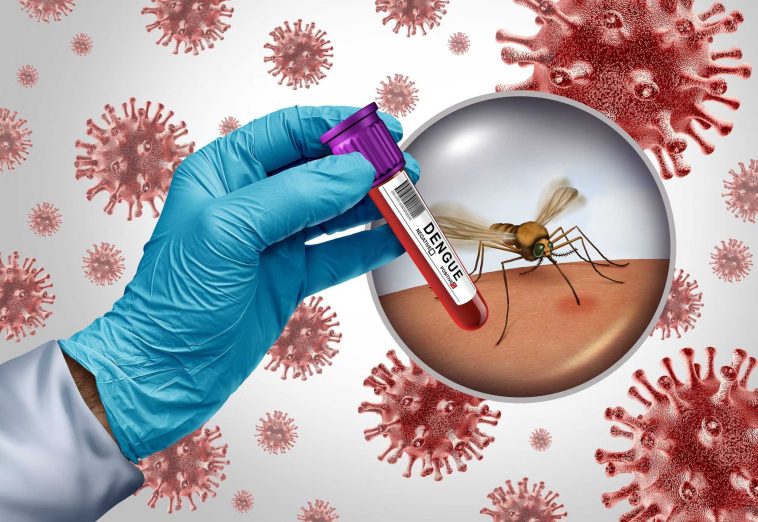
Dengue fever has become one of the world’s most important mosquito-borne health threats—and a new development in Australia is giving some travelers another option for protection.
QDENGA (TAK-003), a tetravalent dengue vaccine developed to protect against dengue disease, is now available in Australia. The vaccine was registered by Australia’s Therapeutic Goods Administration (TGA) in April 2026 for individuals aged four years and older, with use subject to official recommendations.
The development comes at an important time. Dengue transmission has expanded dramatically worldwide, while international travel continues to expose people from non-endemic countries to destinations where the virus circulates.
For travelers in Australia, Europe, the United States and elsewhere, however, the arrival of another dengue vaccine does not mean mosquito precautions are obsolete—or that vaccination is appropriate for every traveler.
What Is Dengue Fever?
Dengue is a viral infection transmitted primarily through the bite of infected Aedes mosquitoes, particularly Aedes aegypti and Aedes albopictus.
There are four dengue virus serotypes, commonly known as DENV-1, DENV-2, DENV-3 and DENV-4. Infection with one serotype generally provides long-lasting immunity against that particular serotype, but it does not provide equivalent long-term protection against the others. WHO notes that sequential infection with another dengue serotype can increase the risk of developing severe dengue.
Many dengue infections are asymptomatic or relatively mild. When symptoms develop, they can include:
- High fever
- Severe headache
- Pain behind the eyes
- Muscle and joint pain
- Nausea or vomiting
- Swollen glands
- Skin rash
A smaller proportion of patients develop severe dengue, which can involve serious bleeding, plasma leakage, shock, organ complications and potentially death.
There is currently no specific licensed antiviral treatment for dengue, making prevention and appropriate clinical management particularly important.
Why Dengue Is Becoming a Bigger Global Health Issue
The scale of dengue has changed substantially over recent decades.
According to the World Health Organization, reported cases increased from approximately 505,000 in 2000 to more than 14 million in 2024, the highest level recorded globally. More than 100 countries reported cases during that record year.
Several forces are contributing to the changing epidemiology of dengue, including international travel, urbanization, changing climatic conditions and the expanding geographic range of mosquito species capable of transmitting the virus.
The issue is increasingly relevant to Europe as well.
Dengue is not considered endemic across mainland EU/EEA, and most European cases remain associated with international travel. However, Aedes albopictus, commonly called the Asian tiger mosquito, is now established across a substantial part of Europe.
Local transmission is therefore possible when an infected traveler introduces the virus into an area where competent mosquitoes are active.
This is no longer purely theoretical. As of September 30, 2026, ECDC reported 59 locally acquired dengue cases in Italy and six in France during 2026.
[Görsel Açıklaması: A world map highlighting major dengue-endemic tropical and subtropical regions alongside the expanding distribution of Aedes mosquitoes.]
What Is QDENGA?
QDENGA, also known as TAK-003, is a live-attenuated tetravalent dengue vaccine.
“Tetravalent” means the vaccine is designed to generate immune responses against all four dengue virus serotypes.
Australia’s TGA registered QDENGA on April 8, 2026, following a regulatory decision on March 31. Its approved indication is prevention of dengue disease in individuals aged four years and older, with vaccination to be used according to official recommendations.
The standard vaccination course consists of two doses administered three months apart.
Australia is not the first major market to authorize the vaccine. QDENGA received European Union marketing authorization in December 2022 and is indicated in the EU for prevention of dengue disease from four years of age, again subject to official recommendations.
The United States presents a different situation.
As of September 2026, the U.S. Centers for Disease Control and Prevention states that no dengue vaccines are currently available in the United States. QDENGA is not available or recommended for use there after its manufacturer voluntarily withdrew its FDA application in 2023.
[İlgili Makale Linki: Essential Travel Vaccinations: What to Check Before an International Trip]
Who Should Consider Dengue Vaccination?
This is where an important distinction must be made.
A vaccine’s regulatory indication is not necessarily identical to public-health recommendations about who should actually receive it.
For example, while Australian and European regulatory authorizations cover QDENGA from four years of age, WHO’s population-level recommendation is more targeted.
WHO recommends TAK-003 for children aged 6–16 years in settings with high dengue transmission intensity.
Recommendations for travelers from countries where dengue is not endemic require additional consideration.
WHO states that people living in non-endemic countries who have previously had dengue following travel to an endemic region may benefit from TAK-003 vaccination before returning to an endemic area, because a subsequent infection can carry a greater risk of severe disease.
That does not mean every person taking a short tropical vacation automatically needs dengue vaccination.
Individual decisions can depend on factors such as:
- Previous dengue infection
- Destination
- Duration and frequency of travel
- Local dengue transmission
- Age
- Pregnancy or breastfeeding
- Immune status
- Individual medical history
Travelers should therefore discuss their itinerary and personal risk profile with a qualified healthcare professional or travel-medicine specialist rather than treating vaccination as a universal pre-travel requirement.
Who Should Not Receive QDENGA?
Because QDENGA is a live-attenuated vaccine, there are important contraindications and precautions.
WHO states that TAK-003 should not be administered to people who are pregnant, people planning pregnancy within at least one month following vaccination, people who are breastfeeding, and certain individuals with congenital or acquired immune deficiencies or receiving immunosuppressive treatment.
Eligibility should therefore be assessed individually by an appropriate healthcare professional.
The vaccine’s common adverse effects identified in European regulatory assessment include injection-site pain, headache, muscle pain and asthenia, or weakness/tiredness.
As with any medical intervention, expected benefits need to be considered alongside potential risks and individual circumstances.
Does Vaccination Mean You Can Ignore Mosquito Bites?
No.
One of the most important misconceptions surrounding dengue vaccination is that vaccination eliminates the need for mosquito protection.
It does not.
Australian information accompanying the launch of QDENGA specifically emphasizes that vaccination does not replace mosquito-bite prevention.
This matters because Aedes mosquitoes can transmit other infections as well, and no dengue vaccine should be regarded as providing absolute protection against infection or disease.
WHO similarly describes vaccination as one component of an integrated dengue prevention strategy, alongside vector control, disease management, education and community measures.
Practical Dengue Prevention Tips for Travelers
Whether or not vaccination is appropriate, travelers visiting dengue-risk destinations can reduce exposure by combining several preventive measures.
1. Get Travel-Health Advice Early
Do not wait until the final days before departure.
Some vaccines require multiple doses or sufficient time for an immune response to develop. QDENGA, for example, uses a two-dose schedule separated by three months.
Discuss your destination, travel dates, previous dengue history and health conditions with a travel-health professional well in advance.
2. Use an Effective Insect Repellent
Apply an appropriate mosquito repellent according to its label instructions, particularly when spending time outdoors.
Remember that dengue-transmitting mosquitoes can bite during daylight hours, so protection should not be limited to evenings.
3. Wear Protective Clothing
When practical, wear loose-fitting long sleeves, long trousers and clothing that reduces exposed skin.
This can provide another physical barrier between you and mosquitoes.
4. Choose Mosquito-Protected Accommodation
Air conditioning, intact window and door screens and mosquito nets where appropriate can reduce exposure.
Standing water around accommodation should also be minimized because small water containers can become breeding sites for Aedes mosquitoes.
5. Know the Symptoms
If fever, severe headache, pain behind the eyes, significant muscle or joint pain, rash, nausea or other concerning symptoms develop during or after travel, seek medical advice and tell the clinician where you have recently traveled.
6. Be Careful With Painkillers If Dengue Is Suspected
WHO advises that acetaminophen/paracetamol can be used for fever and pain in suspected dengue, while aspirin and non-steroidal anti-inflammatory drugs such as ibuprofen should be avoided because of bleeding risks.
Medical assessment is particularly important if symptoms become severe.
What Does Australia’s Decision Mean for International Travelers?
Australia’s introduction of QDENGA reflects a broader evolution in dengue prevention.
The disease is increasingly relevant beyond populations permanently living in tropical regions. International travel means infections can be acquired abroad and diagnosed thousands of miles away, while expanding mosquito populations create opportunities for limited local transmission in regions previously considered lower-risk.
Europe illustrates this changing landscape particularly clearly.
ECDC says most dengue cases in mainland EU/EEA remain travel-associated, but local transmission is occurring more frequently in parts of Europe where competent mosquito vectors are established.
Meanwhile, the American situation is different again: despite dengue risk in parts of the Americas, QDENGA is not currently available in the United States.
For travelers, the practical message is that dengue vaccination policies vary significantly by country. Advice should therefore be based on both the traveler’s home-country recommendations and the epidemiological situation at the destination.
The Bottom Line
Australia’s availability of QDENGA gives eligible people another potential tool for preventing dengue, particularly as international travel and changing mosquito distribution make the disease increasingly relevant to global travelers.
But vaccination is only part of the picture.
Dengue prevention still depends heavily on avoiding mosquito bites, understanding destination-specific risk and seeking professional travel-health advice before departure. The appropriate vaccination decision can differ substantially depending on previous dengue exposure, age, medical history and destination.
The best travel experiences begin with preparation. Protecting your health before departure means more freedom to enjoy the journey itself—and that is one more way to Beautify Life.
Have you traveled to a destination where dengue is common? Share this article with fellow travelers and add your experience or questions in the comments.
Sources
- World Health Organization (WHO) — Dengue and severe dengue; dengue vaccine recommendations
- Therapeutic Goods Administration (Australia) — QDENGA registration and product assessment
- European Medicines Agency (EMA) — QDENGA regulatory information
- European Centre for Disease Prevention and Control (ECDC) — European dengue surveillance and risk assessments
- U.S. Centers for Disease Control and Prevention (CDC) — Dengue vaccination and travel guidance
- Original news report concerning the Australian availability of QDENGA