

 cagataydemircan
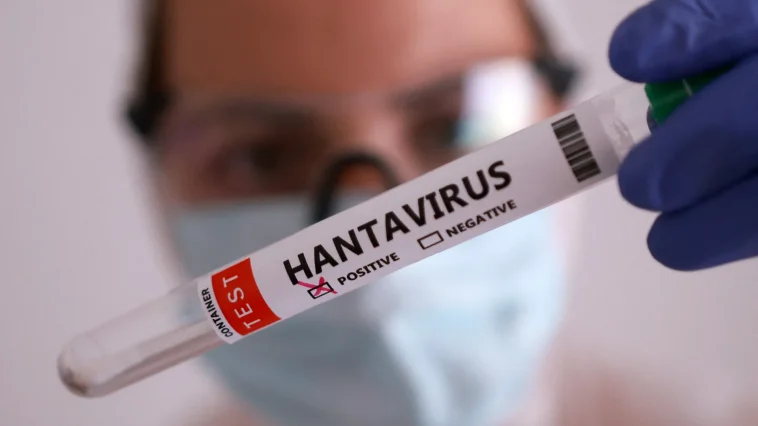
In a world increasingly interconnected, global health remains a paramount concern. The recent Hantavirus outbreak aboard the MV Hondius cruise ship in May 2026 has once again brought this rare yet deadly pathogen into the spotlight. As we strive to “Beautify Life” – our guiding philosophy at Estetik.tv – understanding potential health threats and how to mitigate them is crucial. This article delves into the nature of Hantavirus, the specifics of the recent outbreak, its implications for public health, and essential prevention strategies to safeguard your well-being.
What is Hantavirus? A Silent Threat from Rodents
Hantaviruses are a family of viruses primarily carried by rodents worldwide. These viruses can cause severe, sometimes fatal, illnesses in humans, broadly categorized into two main syndromes: Hantavirus Pulmonary Syndrome (HPS) in the Americas and Hemorrhagic Fever with Renal Syndrome (HFRS) predominantly in Europe and Asia [1].
Transmission: How Does it Spread?
Unlike many common viruses, Hantavirus is not typically spread from person to person. The primary mode of transmission to humans is through contact with infected rodent urine, droppings, or saliva, often when these materials become airborne. This can occur during activities that disturb rodent nests or contaminated areas, such as cleaning out sheds, barns, or cabins. However, a notable exception is the Andes virus strain, which has been documented to allow human-to-human transmission in rare cases, primarily through close contact with bodily fluids [2].
The 2026 MV Hondius Cruise Ship Outbreak
The recent incident on the MV Hondius cruise ship highlighted the potential for localized outbreaks, even with rare pathogens. Three confirmed cases of Hantavirus, including one fatality, and five suspected cases with two additional deaths, were linked to the Andes virus strain. While the exact origin of infection for all passengers is still under investigation, scientists suspect some travelers may have been infected in Argentina before boarding the cruise [3]. This event underscores the importance of vigilance, especially in regions where Hantavirus is endemic.
Hantavirus Pulmonary Syndrome (HPS) vs. Hemorrhagic Fever with Renal Syndrome (HFRS)
It’s important to distinguish between the two main clinical presentations of Hantavirus infection:
|
Feature
|
Hantavirus Pulmonary Syndrome (HPS)
|
Hemorrhagic Fever with Renal Syndrome (HFRS)
|
|
Geographic Region
|
Americas (e.g., Sin Nombre virus)
|
Europe, Asia (e.g., Hantaan, Puumala viruses)
|
|
Primary Symptoms
|
Flu-like symptoms, rapidly progressing to severe respiratory distress, fluid in lungs, low blood pressure.
|
Flu-like symptoms, kidney failure, hemorrhage (bleeding), shock.
|
|
Fatality Rate
|
Up to 50%
|
Varies by strain, generally lower than HPS (e.g., Puumala is milder).
|
|
Key Concern
|
Respiratory failure
|
Renal failure and bleeding
|
Is Hantavirus the Next Pandemic? Expert Opinions
The term “pandemic” often evokes fear, especially in the wake of recent global health crises. However, leading health organizations and experts, including the World Health Organization (WHO), generally agree that Hantavirus poses a low risk for a widespread global pandemic [4]. This assessment is primarily due to its limited human-to-human transmission (mostly restricted to the Andes strain) and its primary mode of spread through environmental contact with rodents, rather than efficient airborne transmission between people.
Virologist Jay Hooper, a leading researcher at the US Army Medical Research Institute of Infectious Diseases, emphasizes that while climate change could potentially alter rodent populations and increase human exposure, the situation remains inherently unpredictable, similar to other zoonotic viruses [5].
The Elusive Vaccine: Current Research and Challenges
Despite the severity of Hantavirus infections, there is currently no licensed vaccine available. For over three decades, researchers like Jay Hooper have been working tirelessly to develop one. His team has conducted Phase 1 clinical trials for vaccines against the Andes virus, Hantaan, and Puumala strains, showing promising results in inducing neutralizing antibodies [6].
However, significant challenges remain. The Andes DNA vaccine, for instance, requires multiple doses, and the rarity and scattered geographical nature of human cases make large-scale Phase 3 efficacy trials difficult. Funding for advanced development also presents a major barrier to bringing a Hantavirus vaccine to market.
Prevention is Key: Protecting Yourself and Your Loved Ones
Given the absence of a vaccine and specific treatments, prevention is the most effective strategy against Hantavirus. Here are crucial tips to minimize your risk:
•Rodent Control: Seal up holes and gaps in homes and outbuildings to prevent rodent entry. Trap rodents using snap traps or other effective methods. Clean up potential food sources and nesting sites.
•Safe Cleaning Practices: When cleaning areas potentially contaminated with rodent droppings or urine, wear gloves and a mask. Dampen contaminated areas with a bleach solution before cleaning to prevent airborne particles. Avoid sweeping or vacuuming dry contaminated areas.
•Ventilation: Before cleaning enclosed areas that may have rodent infestations, ventilate them for at least 30 minutes by opening doors and windows.
•Outdoor Activities: Be cautious during outdoor activities like camping, hiking, or gardening, especially in rural or wilderness areas where rodents are prevalent. Avoid direct contact with rodents and their nests.
•Awareness: Stay informed about Hantavirus activity in your region and follow public health advisories.
Conclusion
Hantavirus, while not a global pandemic threat, remains a serious health concern that demands our attention and respect. The 2026 MV Hondius outbreak serves as a stark reminder of the continuous need for vigilance and proactive health measures. By understanding how the virus spreads, recognizing its symptoms, and diligently practicing prevention, we can significantly reduce our risk of infection. At Estetik.tv, we believe that a beautiful life is a healthy life. By taking these steps, you not only protect yourself but also contribute to the well-being of your community, ensuring a healthier and more vibrant future for all. Share your thoughts and prevention tips in the comments below!
References:
•[1] World Health Organization. Hantavirus. https://www.who.int/news-room/fact-sheets/detail/hantavirus
•[2] Centers for Disease Control and Prevention. Hantavirus Pulmonary Syndrome (HPS): Clinical Overview. https://www.cdc.gov/hantavirus/hcp/clinical-overview/index.html
•[3] Today. Will the Hantavirus Cruise Ship Cause a New Pandemic? https://www.today.com/health/news/hantavirus-cruise-ship-pandemic-risk-covid-2026-rcna343854
•[4] NewsNation Now. Is hantavirus a pandemic threat? What health experts say. https://www.newsnationnow.com/health/hantavirus-pandemic-threat-what-health-experts-say/
•[5] Nature. There is no vaccine for deadly hantavirus: what that means for future outbreaks. https://www.nature.com/articles/d41586-026-01494-9
•[6] Nature. There is no vaccine for deadly hantavirus: what that means for future outbreaks. https://www.nature.com/articles/d41586-026-01494-9
Medical Disclaimer
The information provided in this article is for general informational purposes only and does not constitute medical advice. It is not intended to be a substitute for professional medical advice, diagnosis, or treatment. Always seek the advice of your physician or other qualified health provider with any questions you may have regarding a medical condition. Never disregard professional medical advice or delay in seeking it because of something you have read in this article.
Estetik.tv does not endorse or recommend any specific tests, physicians, products, procedures, opinions, or other information that may be mentioned in this article. Reliance on any information provided by Estetik.tv, its employees, or others appearing on the site at the invitation of Estetik.tv, is solely at your own risk.