

 cagataydemircan
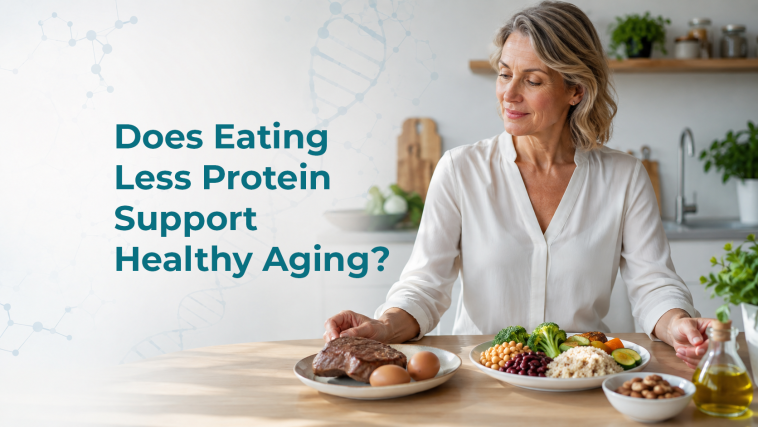
Protein has long been considered one of the essential building blocks of a healthy diet. It supports muscle maintenance, tissue repair, immune function, and countless biological processes. However, emerging longevity research has sparked an important question: Could eating less protein actually promote healthier aging?
Recent studies exploring nutrition, metabolism, and longevity suggest that protein intake may influence aging differently depending on a person’s age, health status, and lifestyle. While moderate protein restriction has been associated with certain metabolic benefits in younger adults, maintaining adequate protein intake becomes increasingly important as people grow older to preserve muscle mass, strength, and independence.
Understanding these nuances helps individuals make informed dietary decisions rather than following one-size-fits-all nutrition trends.
What Does “Eating Less Protein” Mean?
Protein restriction does not mean eliminating protein from the diet. Instead, it refers to consuming moderate amounts rather than excessive quantities, particularly from animal sources.
Researchers are interested in how lower protein intake may affect biological pathways involved in aging, including:
- Insulin-like Growth Factor-1 (IGF-1)
- mTOR signaling
- Cellular repair mechanisms
- Oxidative stress
- Inflammation
These pathways are linked to longevity in laboratory studies, although translating these findings into practical recommendations for humans remains an active area of research.
Why Protein Matters
Protein is essential for maintaining:
- Muscle mass
- Bone health
- Immune function
- Hormone production
- Enzyme activity
- Skin and connective tissue repair
Without sufficient protein, the body cannot efficiently repair tissues or maintain lean muscle, particularly as people age.
[Related Article Link: Nutrition Strategies for Healthy Aging]
The Science Behind Protein and Longevity
Several observational studies and experimental models suggest that lower protein intake during early and middle adulthood may be associated with improved metabolic health and reduced activity of growth-related pathways linked to aging.
Researchers believe moderate protein restriction may contribute to:
- Improved insulin sensitivity
- Reduced IGF-1 activity
- Enhanced cellular maintenance
- Better metabolic flexibility
However, experts emphasize that these findings are not a recommendation for everyone to drastically reduce protein intake. Human aging is complex, and optimal nutrition depends on age, health status, physical activity, and medical history.
The Role of IGF-1
IGF-1 is a hormone involved in growth, tissue repair, and cell development.
Higher levels of IGF-1 have been associated in some studies with increased cell growth, while lower levels may support certain longevity-related mechanisms. At the same time, IGF-1 also plays an important role in maintaining muscle and bone health.
This balance helps explain why nutritional recommendations differ between younger and older adults.
Protein Needs Change With Age
One of the biggest misconceptions is that everyone should eat the same amount of protein throughout life.
Adults Under 65
Some nutrition researchers suggest that moderate—not excessive—protein intake may support long-term metabolic health when combined with a balanced dietary pattern.
The emphasis is on quality protein sources and overall dietary balance rather than severe restriction.
Adults Over 65
As people age, maintaining muscle becomes increasingly difficult due to anabolic resistance and the natural loss of lean body mass, known as sarcopenia.
Many experts recommend that healthy older adults consume adequate—and in some cases slightly higher—protein intake alongside resistance exercise to help preserve:
- Muscle strength
- Mobility
- Bone health
- Functional independence
This highlights that eating less protein is not universally beneficial and may even be harmful for some older adults.
Animal Protein vs. Plant Protein
Emerging evidence suggests that protein source may be just as important as protein quantity.
Plant Protein
Plant-based proteins from foods such as:
- Lentils
- Beans
- Chickpeas
- Soy
- Nuts
- Seeds
are associated with:
- Higher fiber intake
- Better cardiovascular health
- Lower saturated fat consumption
- Improved gut microbiome diversity
Animal Protein
Lean animal protein remains an important source of:
- Essential amino acids
- Vitamin B12
- Iron
- Zinc
Experts increasingly recommend emphasizing a balanced mix of plant and lean animal protein rather than relying heavily on processed meats.
The Mediterranean Diet and Healthy Aging
The Mediterranean diet continues to be one of the most researched eating patterns for longevity.
It focuses on:
- Vegetables
- Fruits
- Whole grains
- Legumes
- Fish
- Olive oil
- Nuts
- Moderate dairy
- Limited processed foods
Rather than drastically reducing protein, this dietary pattern promotes balanced protein intake alongside nutrient-dense whole foods.
This approach has been associated with healthier aging, improved cardiovascular health, and reduced chronic disease risk.
Common Myths About Protein and Aging
Myth 1: More Protein Is Always Better
Excessive protein intake does not automatically improve health or increase longevity.
Balance is more important than quantity alone.
Myth 2: Older Adults Should Eat Less Protein
In fact, many older adults require adequate protein to maintain muscle mass and physical function.
Myth 3: Plant Proteins Are Inferior
A well-planned diet combining diverse plant protein sources can provide all essential amino acids.
Myth 4: Protein Restriction Is a Proven Anti-Aging Strategy
While research into protein restriction and longevity is promising, there is no universal recommendation for healthy adults to intentionally consume low-protein diets solely to extend lifespan.
Current Nutrition Trends in America and Europe
Nutrition experts increasingly recommend:
- Personalized nutrition
- Whole-food dietary patterns
- Mediterranean-style eating
- Higher plant protein intake
- Reduced ultra-processed foods
- Healthy body composition instead of restrictive dieting
Rather than promoting extreme protein restriction, most clinicians encourage sustainable eating habits tailored to individual needs.
Practical Tips
- Focus on overall dietary quality rather than protein quantity alone.
- Include a variety of plant-based protein sources throughout the week.
- Choose lean poultry, fish, legumes, nuts, and seeds more often than processed meats.
- If you are over 65, discuss your protein needs with a registered dietitian or healthcare provider.
- Combine adequate protein intake with regular resistance training to support muscle health.
- Avoid following restrictive diets without professional guidance.
- Prioritize fruits, vegetables, whole grains, and healthy fats alongside balanced protein intake.
Conclusion
Protein remains an essential nutrient throughout life, but the ideal amount varies depending on age, health status, and lifestyle. Current evidence suggests that moderate protein intake—particularly from high-quality, minimally processed sources—may support healthy aging as part of an overall balanced dietary pattern.
For younger adults, avoiding excessive protein intake may offer certain metabolic advantages, while older adults often benefit from maintaining adequate protein consumption to preserve muscle mass and independence. Rather than focusing solely on eating less protein, experts increasingly recommend emphasizing dietary quality, regular physical activity, and individualized nutrition.
Medical Disclaimer
The information presented in this article is for educational and informational purposes only and should not be interpreted as medical advice, diagnosis, or treatment. Nutritional needs vary depending on age, medical conditions, medications, activity level, and individual health goals.
Do not make significant changes to your protein intake or overall diet without consulting a qualified physician or registered dietitian, particularly if you have kidney disease, liver disease, diabetes, sarcopenia, or other chronic health conditions.
Estetik.tv does not recommend restrictive diets or individualized nutrition plans without professional medical evaluation. Individual results and nutritional requirements may vary.