

 cagataydemircan
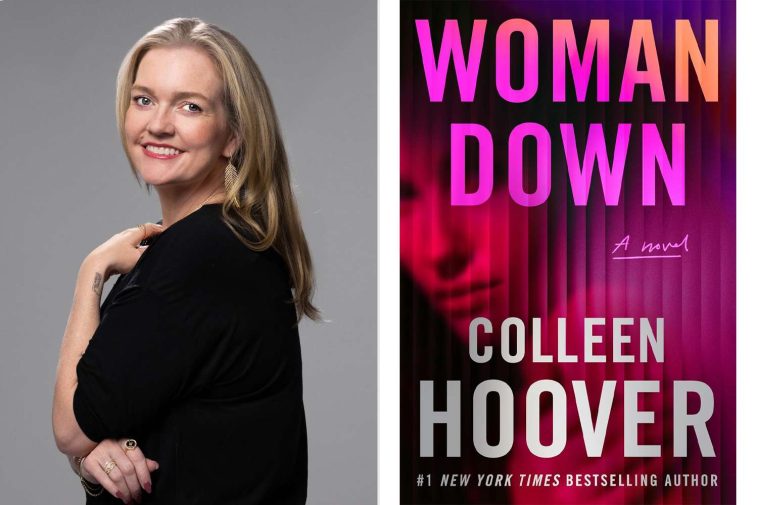
Bestselling author Colleen Hoover, known worldwide for her novels It Ends With Us and Regretting You, has recently shared a deeply personal health update that transcends entertainment news and resonates with broader conversations around health awareness, lifestyle influence, and wellbeing—topics that align closely with EstetikTV’s focus on conscious living and preventive care.
On January 12, 2026, Hoover took to social media to reveal that she is nearing the end of her radiation treatment after a cancer diagnosis, posting an Instagram Story celebrating her “second to last day of radiation.” In her message she thanked the staff at Texas Oncology while expressing gratitude for her treatment experience, and encouraged followers to prioritize their health even as she hoped that others would “never need” such care.
While Hoover has not publicly disclosed the specific type of cancer she has been battling, further details shared in a separate post clarified that the tumor had been surgically removed and that her treatment plan involved radiation rather than chemotherapy. These updates reflect a path of early medical intervention and collaborative care, two crucial pillars in modern health management.
Lifestyle and Environmental Factors in Cancer Risk
A particularly noteworthy aspect of Hoover’s update—especially from a wellness editorial perspective—is her mention of genetic test results indicating that her cancer was not hereditary, nor linked to common causes such as HPV or hormonal imbalance. Instead, she stated that lifestyle and environmental factors like lack of exercise, diet quality, and stress were more likely contributors.
This candid acknowledgment invites important questions about how everyday lifestyle choices influence long-term health outcomes:
-
Physical activity: Regular exercise supports immune function, reduces inflammation, and is linked with lower risks of multiple chronic diseases.
-
Diet and metabolic balance: A nutrient-rich, balanced diet aids in maintaining hormonal homeostasis and reducing cancer-related risk factors.
-
Stress management: Chronic stress affects hormonal regulation and systemic inflammation, both central to preventive health models.
While genetics do play a significant role in some cancer types, increasing research highlights the impact of modifiable lifestyle variables in disease onset and progression.
Balancing Personal and Professional Life Amid Health Challenges
Hoover’s revelation also contextualizes her recent absence from public events. In late 2025, she canceled planned appearances—including a promotional event for the Regretting You film adaptation—due to an “unavoidable surgery.” Later disclosures confirmed that these health challenges were related to her cancer diagnosis and treatment.
Despite these setbacks, Hoover’s creative output continues: her new book Woman Down was released on January 13, 2026, highlighting resilience and the complex interplay between personal struggle and professional expression. Her experience underscores the reality that serious health issues do not necessarily arrest a person’s creative journey; they often reshape it and prompt deeper reflection on priorities and wellbeing.
Public Health Implications and Preventive Care Messaging
From an editorial perspective focused on health-aware beauty and lifestyle empowerment, Hoover’s story carries several meaningful takeaways:
1. Early Detection Matters
The fact that Hoover responded quickly to symptoms—ultimately undergoing surgery and now completing radiation—illustrates how early medical engagement can alter the trajectory of serious diagnoses. Regular check-ups and timely response to bodily changes remain essential health habits.
2. Lifestyle Awareness Is Not Self-Blame
While she connected her diagnosis to lifestyle factors, Hoover’s candid, self-deprecating commentary about diet or exercise should be interpreted within a supportive, not judgmental, framework. Lifestyle optimization is a preventive tool, not a moral evaluation.
3. Holistic Health Supports Mental and Physical Resilience
Stress and life imbalance are increasingly recognized in medical literature as contributors to chronic disease pathways. Incorporating restful sleep, supportive social connections, and mental health practices forms a robust foundation for long-term wellbeing.
A Broader Cultural Conversation
Colleen Hoover’s candor resonates far beyond the publishing world. It intersects with cultural conversations about body autonomy, health literacy, and the narratives we construct around illness. For an audience interested in beauty that is rooted in well-being rather than superficial appearance, her journey reinforces that true aesthetic confidence is inseparable from health awareness.
Her story is also a reminder that individuals in the public eye, particularly women, often face pressures to maintain a veneer of uninterrupted success—even amid deeply personal struggles. By sharing her experience, Hoover contributes to destigmatizing conversations about illness, care, and recovery.
Conclusion: Wellness as Integral to Beauty
In sum, Colleen Hoover’s cancer journey—while rooted in personal health experience—offers a platform for wider education on preventive health, lifestyle factors, and integrative wellbeing. Her openness provides an opportunity for readers to reflect on how habits, stress, and environmental factors interplay with long-term health, and how acknowledging vulnerability is itself a form of strength.
For the EstetikTV audience, her narrative underscores that beauty is enriched by wellbeing, and that real resilience—physical and emotional—is foundational to the aesthetic identities we cultivate and celebrate.
Sources:
News report from ABC News on Hoover’s radiation update and diagnosis revelation.
Additional context from coverage on treatment course and lifestyle factor considerations.